
Wind-assisted ships, and the fuel to run them
Since it was formed in 1998, B9 Shipping has developed vessel concepts that combine proven technologies in new ways, pairing automated wind propulsion with renewable fuels for lower-carbon coastal and regional shipping.
B9 Shipping is the planned buyer (offtaker) of the e-methanol in B9's Maritime Power-to-X project, which links fuel production, storage and bunkering to demand from ships. The offtake role is meant to test whether the fuel can be sold at a workable price.
The ship design
Automated sails
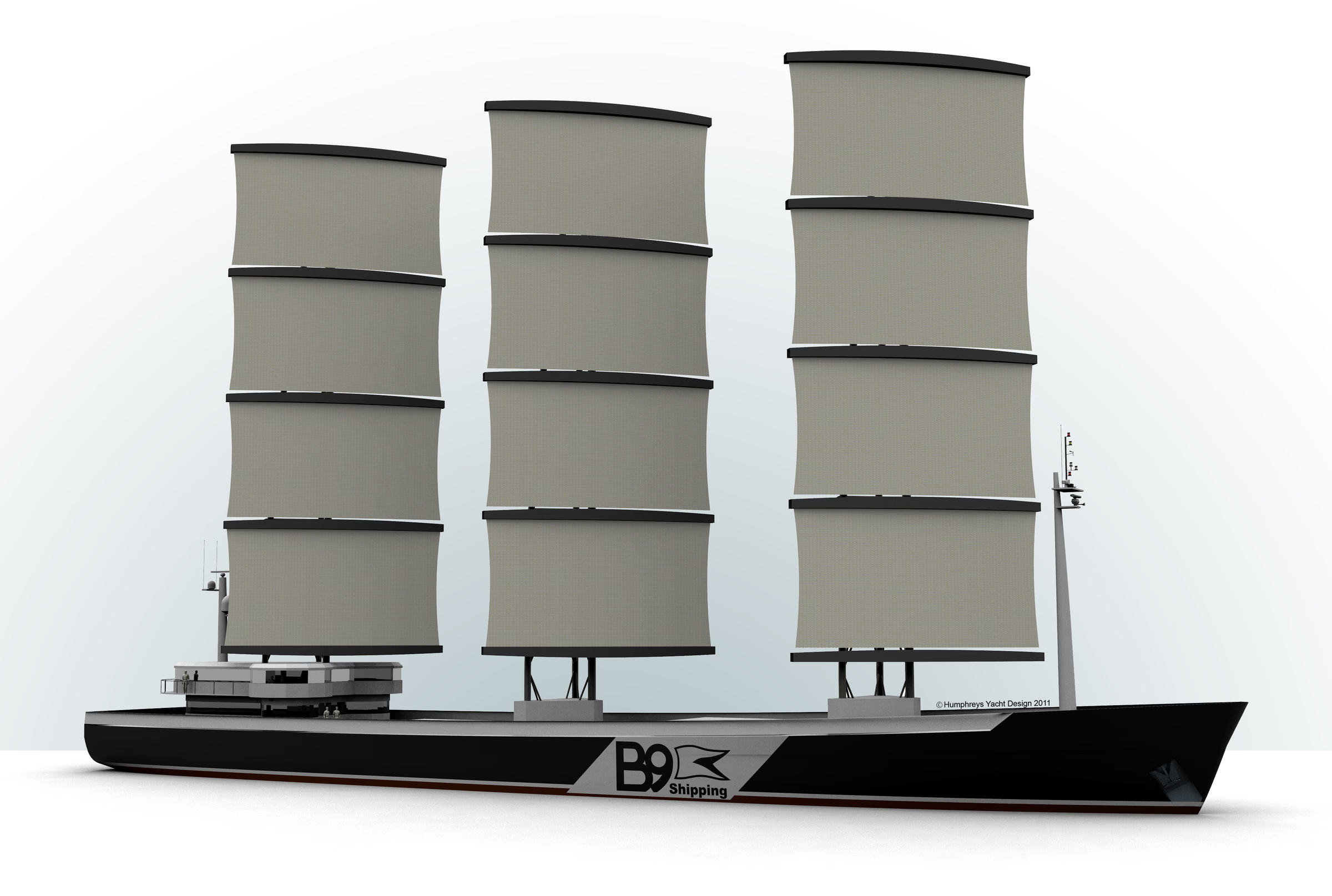
Sails are set on freestanding, deck-mounted masts with hydraulically operated yards. With no stays or shrouds, the masts leave the hatches clear for cargo handling, and the yards can be trimmed for better upwind sailing.
Ships for real routes
Development work has covered hull form, mast integration, cargo access and ship-to-shore compatibility for coastal bulk and chemical tanker routes.
Renewable fuel
Wind provides part of the propulsion; engines or fuel cells running on e-methanol provide the rest. E-methanol is liquid, so it is far easier to store and bunker than hydrogen gas.
How green methanol is made
Tested with models and simulation
The development programme has included performance analysis, voyage simulation and route analysis, with designs refined for the weather en route and the limits of each port entry.
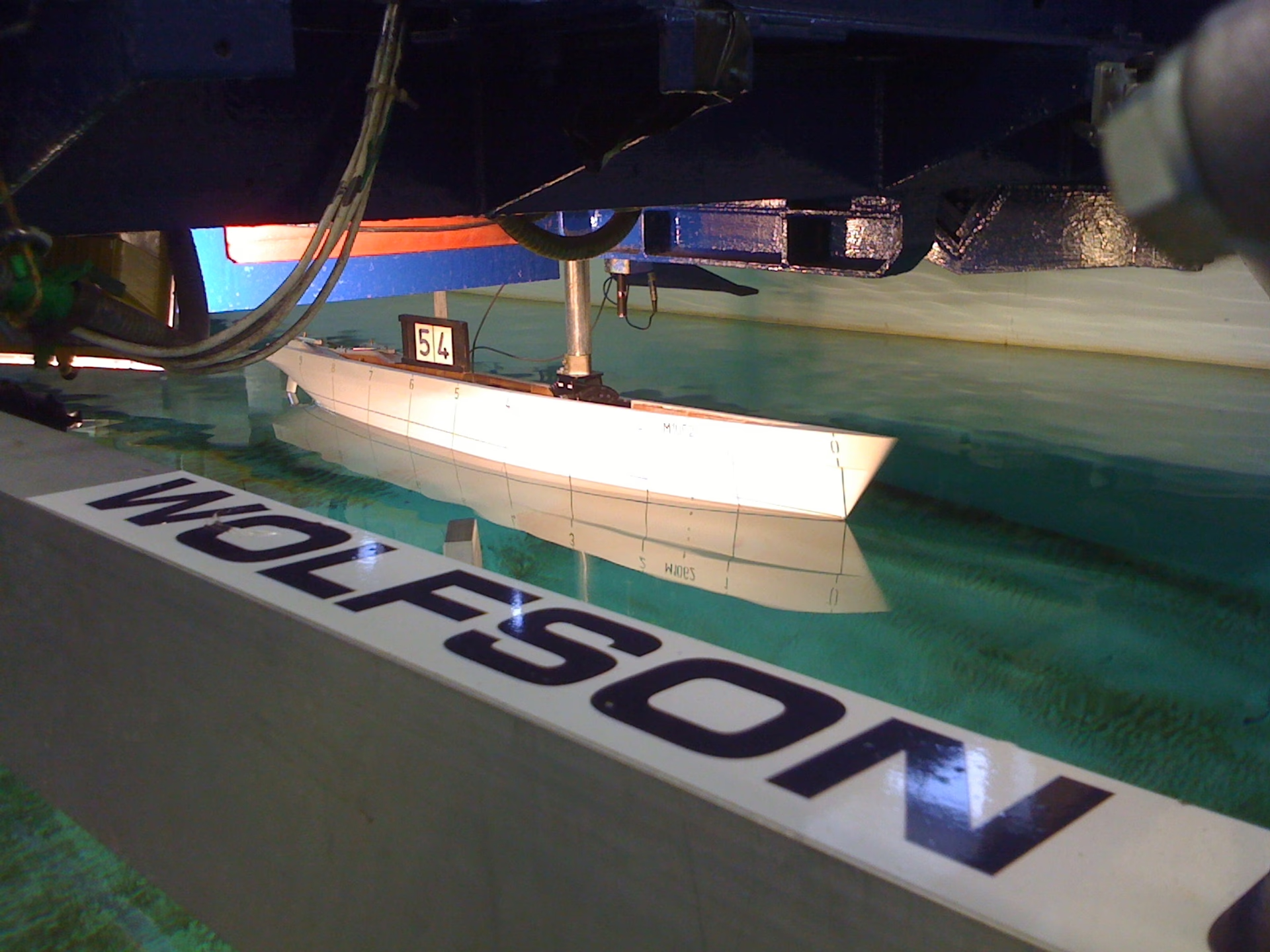
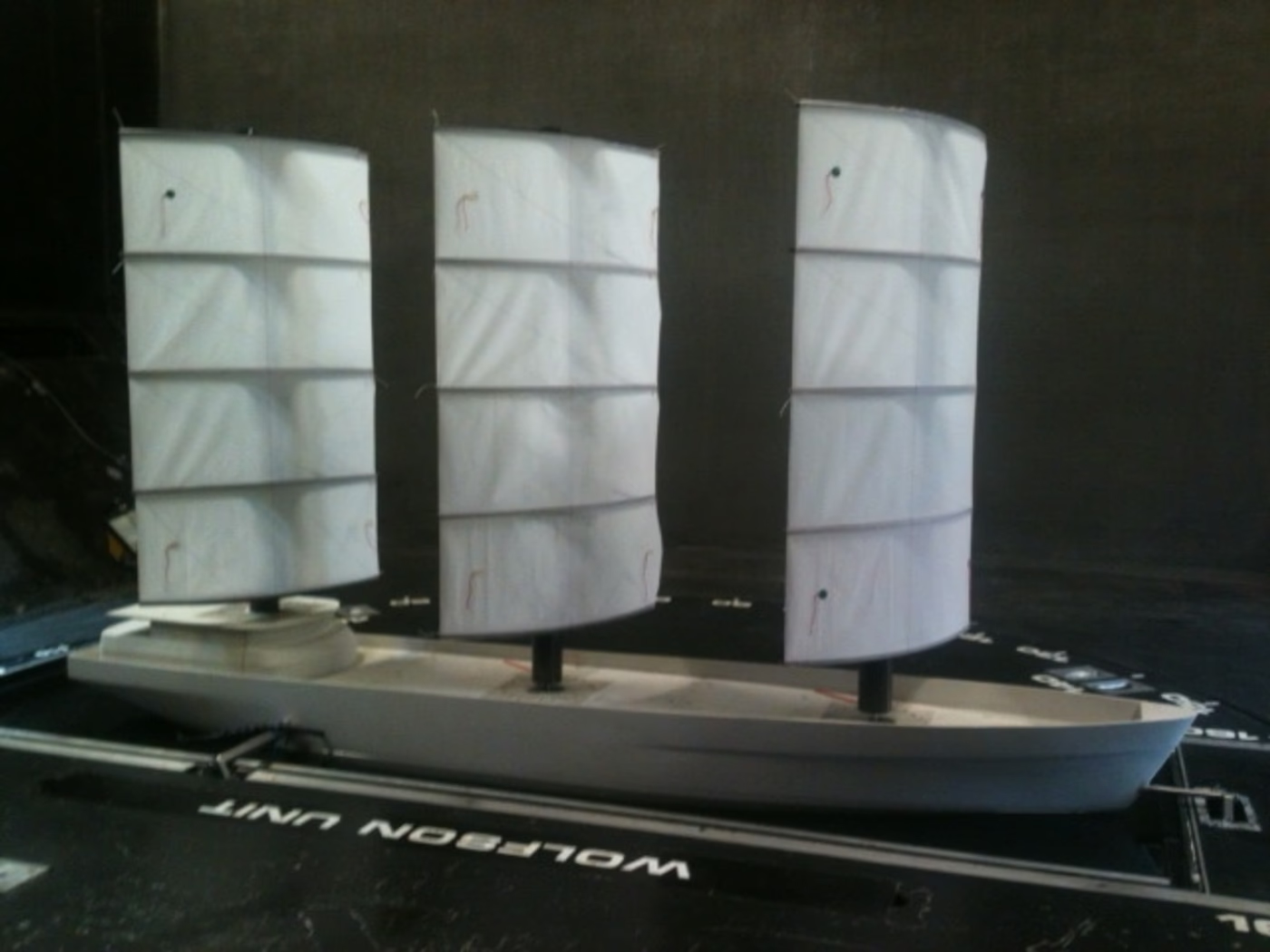
Scale models have been tested in a wind tunnel and in towing tanks, at facilities including the Wolfson Unit, to check the computer modelling against physical results.
Talk to us about maritime decarbonisation
Tell us about your vessels, route or fuel needs.